
Understanding Pet Boarding: What Animal Professionals Need to Know
Pet boarding has become an essential service for pet owners who need to ensure their furry family members are cared for while they’re away. This service not only provides a safe haven for pets but also plays a critical role for animal professionals. Understanding the intricacies of pet boarding can elevate the quality of care and service provided. When exploring options, Pet Boarding can shape how professionals approach their operations.
Defining Pet Boarding and Its Importance
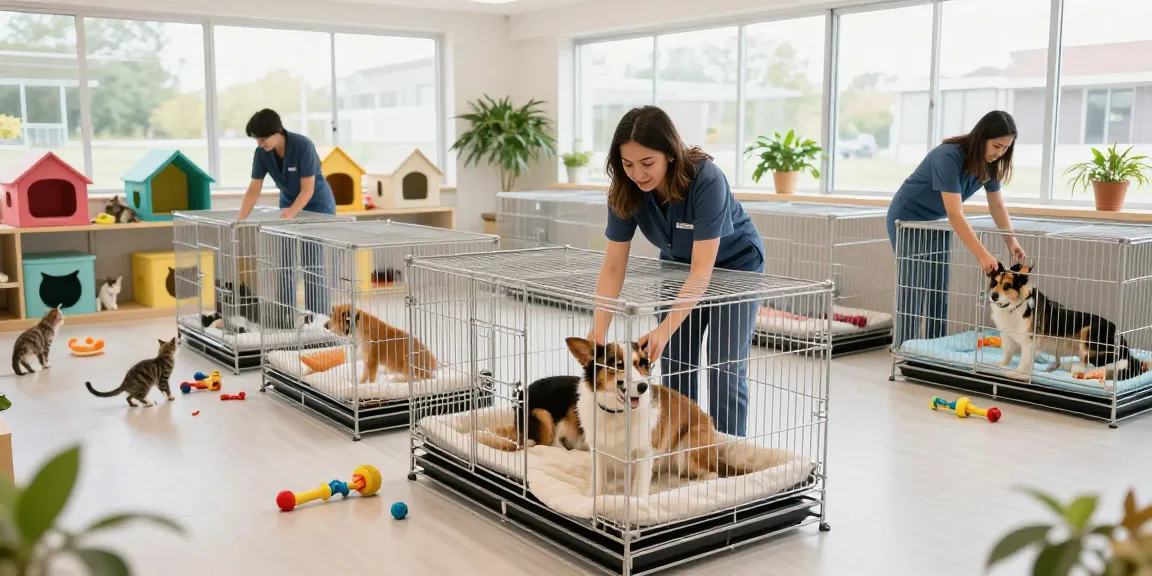
Pet boarding refers to the service offered by facilities where pet owners can leave their pets, typically dogs and cats, for a specified duration. This can be due to travel, work commitments, or other obligations. The primary importance of pet boarding lies in providing a secure environment for animals, ensuring they receive daily care, social interaction, and safety while their owners are away.
Many boarding facilities are equipped to handle pets of varying needs, including those requiring special diets, medications, or extra attention due to behavioral issues. Thus, properly understanding pet boarding is vital for animal professionals looking to succeed in this industry.
Common Misconceptions about Pet Boarding
There are several misconceptions surrounding pet boarding that can hinder the operation of facilities. One common misconception is that all boarding facilities operate in the same manner. In reality, services can range from basic kenneling to luxurious pet resorts with a variety of accommodations and activities tailored to pets.
Another misconception is that boarding can be stressful for pets. While boarding can induce anxiety for some animals, high-quality facilities strive to create an environment that minimizes stress through proper preparation, socialization, and amenities that cater to the individual needs of each pet.
Key Features of Quality Pet Boarding Facilities
- Safety and Security: Quality facilities prioritize the safety of all animals. This includes securely enclosed areas, proper ventilation, and procedures to ensure pets do not escape or come into contact with potentially aggressive animals.
- Comfortable Accommodations: Well-designed areas for sleeping and resting, adequate space for movement, and appropriate bedding contribute to a pet’s comfort during their stay.
- Experienced Staff: Trained personnel who understand animal behavior and tendencies significantly enhance the quality of care provided.
- Hygiene Standards: Facilities must maintain stringent cleanliness protocols to prevent the spread of disease.
- Add-on Services: Offering services such as grooming, playtime, and training can attract more clients and enhance the overall experience for pets.
Choosing the Right Pet Boarding Facility for Your Needs
With numerous options available, selecting the right pet boarding facility can be a daunting task. However, understanding key evaluation criteria can simplify the decision-making process for professionals and pet owners alike.
Evaluating Facility Safety Standards
Safety should be the paramount concern when choosing a pet boarding facility. Inspecting for secure enclosures, proper waste disposal systems, and emergency protocols is essential. Facilities should also be regularly sanitized and compliant with local pet care regulations and standards to ensure the health and safety of all animals.
Identifying Special Requirements for Different Animals
Different pets have varying needs based on breed, age, health status, and temperament. It is important for professionals to assess whether a facility can accommodate specific requirements, such as dietary restrictions, frequent medications, or behavioral issues like anxiety. Some facilities specialize in providing services for specific breeds or types of animals, including exotic pets.
Cost Considerations and Budgeting for Pet Boarding
The cost of pet boarding can vary widely based on location, services provided, and the type of facility. It is crucial for animal professionals to budget accordingly and weigh the value of services against costs. Comparing multiple facilities and understanding what is included in the price—such as daily activities and care—can help in making an informed decision.
Best Practices for Pet Boarding Operations
To run a successful pet boarding operation, professionals must implement best practices that not only promote the well-being of the animals but also ensure customer satisfaction.
Creating a Comfortable Environment for Pets
A comfortable environment is crucial for reducing stress and promoting relaxation among boarding pets. Facilities should create spaces that mimic home-like environments, use calming colors, and provide enrichment activities. Consider incorporating areas where pets can play, explore, and socialize under supervision.
Staff Training for Quality Care and Handling
Investing in staff training enhances the level of care provided to pets. Training should include animal behavior recognition, handling techniques, and emergency response protocols. This knowledge equips staff to interact confidently with animals and manage various situations, ensuring safety and comfort for all pets.
Implementing Hygiene and Safety Protocols
Hygiene is critical in boarding facilities to prevent the spread of illness among animals. Regular cleaning of kennels, play areas, and feeding stations should be enforced. Implementing a protocol for daily health checks of pets can help identify any signs of illness early, allowing for prompt action and minimizing risk to other animals.
Trends in Pet Boarding for 2026 and Beyond
The pet boarding industry is constantly evolving, with new trends emerging that reflect changes in consumer preferences and advancements in technology.
Technological Innovations in Pet Boarding
Technology is reshaping the pet boarding landscape, with innovations such as online booking systems, real-time pet monitoring through cameras, and automated feeding systems. These technologies not only enhance customer satisfaction but also streamline the operation of facilities.
Increasing Demand for Luxury Pet Boarding Services
As pet owners increasingly view their pets as part of the family, there is a growing demand for luxury boarding services that cater to pets’ every need. Facilities offering upscale accommodations, gourmet food options, and personalized care are gaining popularity.
Shifts in Consumer Preferences and Industry Standards
Pet owners are becoming more discerning about the quality of care their pets receive. Factors such as organic and natural pet food options, eco-friendly facilities, and increased transparency regarding animal care standards are becoming crucial for consumer choices.
Frequently Asked Questions about Pet Boarding
What should I look for in a pet boarding facility?
When selecting a pet boarding facility, prioritize safety standards, cleanliness, staff training, and the comfort of accommodations to ensure the best experience for your pet.
How much does pet boarding cost on average?
The average cost of pet boarding varies widely, ranging from $33 to $185 per night, depending on the facility and services offered. Be sure to compare prices and included services.
Is it safe to board my pet frequently?
Frequent boarding can be safe for most pets, especially if they are well-socialized and familiar with the facility. It’s important to prepare your pet for each boarding experience to minimize stress.
What kind of accommodations should I expect for my pet?
Accommodations will vary by facility but expect options ranging from basic kennels to luxury suites. Look for amenities like comfortable bedding, play areas, and climate control.
How do I prepare my pet for boarding?
Preparing your pet for boarding involves getting them accustomed to being away from home, ensuring they are comfortable with the facility’s staff, and packing any necessary items such as food or medications.
